A Meal Without Wine is Called SVG: Graphics & Crafts
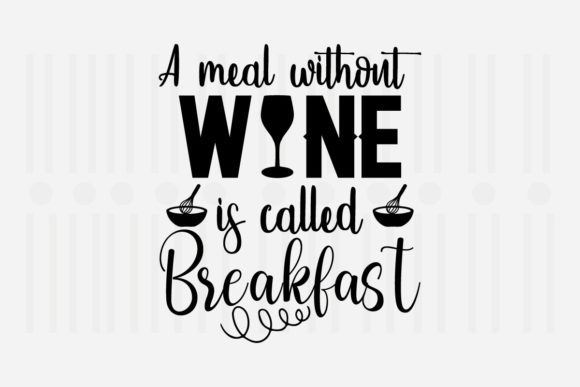
As a brand designer and content marketer who’s built visual systems for food brands, lifestyle publishers, and creative entrepreneurs, I opened A Meal Without Wine is Called Svg expecting charm—and found something sharper: a quietly confident graphic design asset that bridges wit, warmth, and versatility. It’s not just another kitchen-themed quote—it’s a mood-setter, a conversation starter, and a surprisingly flexible piece of modern design.
First Impression: Casual Sophistication with Clear Intent
The moment you preview A Meal Without Wine is Called Svg, you sense its dual nature: playful enough for a farmers’ market pop-up, refined enough for a boutique wine subscription box. Its clean line work, balanced negative space, and subtle typographic rhythm create immediate visual hierarchy—no shouting, no clutter. That matters. In today’s feed-saturated landscape, audiences scroll past noise but pause for clarity and character. This SVG delivers both. It reads as handmade but professional, lighthearted but intentional—a tone ideal for small business branding, editorial graphics, or lifestyle content marketing.
Where It Shines in Real Campaign Workflows
I recently used A Meal Without Wine is Called Svg to refresh a seasonal campaign for a client launching a summer “Wine & Dine” digital product bundle. We needed cohesive visuals across Pinterest pins, Instagram carousels, email banners, and printable recipe cards. Here’s how it performed:
- Social media graphics: Scaled beautifully across Instagram posts and Stories—especially when layered over soft food photography or muted linen textures.
- Pinterest pins: Stood out in search results thanks to strong contrast and readable typography at thumbnail size.
- Printable promotions: Printed crisply on kraft paper tags and café coasters—no pixelation, no color bleed.
- Merchandise & packaging: Worked flawlessly on ceramic mugs, t-shirts, and folded gift boxes—its vector format ensured sharpness at any size.
- Editorial design: Anchored blog headers and newsletter banners without competing with body copy—ideal for food bloggers and online coaches building trust through consistent visual storytelling.
How It Strengthens Brand Communication Goals
This isn’t just decoration—it’s strategic communication. A Meal Without Wine is Called Svg supports seven core marketing outcomes:
- Stronger first impression: Its confident simplicity signals professionalism before a single word is read.
- Clearer visual hierarchy: The phrase itself becomes the focal point—no competing elements distract from the message.
- More consistent branding: With 100+ color-change options and EPS/SVG source files, it adapts seamlessly to existing palettes.
- Better product presentation: On mugs or posters, it elevates everyday items into branded experiences.
- Improved audience trust: Clean vectors signal care and credibility—critical for small business branding.
- Stronger recognition: Repeated use across touchpoints builds familiarity, especially in lifestyle or culinary niches.
- Emotional connection: The gentle humor invites warmth—not irony—making it memorable without feeling gimmicky.
Best Fit Use Cases (and Where to Pause)
A Meal Without Wine is Called Svg excels as a hero graphic—think campaign headers, Canva templates for food bloggers, or branded packaging accents. It adds personality to lead magnets, media kits, and digital product visuals without overwhelming them. For content creators building a design bundle, it slots neatly into themed collections alongside recipe illustrations or wine-tasting checklists.
That said, use it thoughtfully in these contexts:
- Formal corporate branding: Its casual voice may clash with finance, legal, or B2B tech identities.
- Dense information layouts: Avoid pairing it with heavy text blocks—let it breathe.
- Small mobile graphics: Test readability below 120px height; fine details may soften on ultra-small screens.
- Low-contrast backgrounds: Verify legibility against light grays or cream tones before finalizing.
- Overly minimal brands: If your aesthetic relies on strict monochrome and zero ornamentation, this may feel too expressive.
Practical Designer Notes You’ll Actually Use
Before dropping A Meal Without Wine is Called Svg into your next campaign, run these checks:
- Test it against your full brand color palette—not just primary hues, but accent and neutral tones.
- Preview in black-and-white: Does it retain impact? (It does—but verify spacing and stroke weight.)
- Drop it into real mockups: T-shirt previews, Instagram story frames, and email header templates reveal balance issues fast.
- Check mobile responsiveness: Zoom out to 33%—does the phrase still anchor the composition?
- Compare against competitor visuals: Does it stand out—or blend in too much?
- Pair it with fonts: It works elegantly with serif (e.g., Playfair Display), friendly sans serifs (e.g., Poppins), and even restrained script fonts—but avoid overly decorative displays that compete for attention.
- Review spacing: Ensure generous margins around the artwork—crowding undermines its calm authority.
- Confirm commercial licensing: This is a commercial design—verify usage rights for paid ads, client projects, and resale items like merch or digital products.
Why Creative Entrepreneurs Will Reach for This Again and Again
In the creative marketplace, most SVGs fall into two buckets: generic clipart or hyper-niche illustrations. A Meal Without Wine is Called Svg lands in the sweet spot between—distinctive enough to build recognition, flexible enough to scale across platforms, and emotionally resonant enough to support authentic storytelling. Whether you’re a food blogger designing a Pinterest content kit, a small-batch producer updating product labels, or an online coach launching a “Slow Living” course, this graphic design asset doesn’t just fill space—it reinforces your voice.
It’s not flashy. It’s not trendy. It’s thoughtful, adaptable, and quietly persuasive—the kind of printable design that earns repeat use because it simply works. And in a world where visual consistency builds audience trust faster than any tagline, that’s not just craft—it’s strategy.