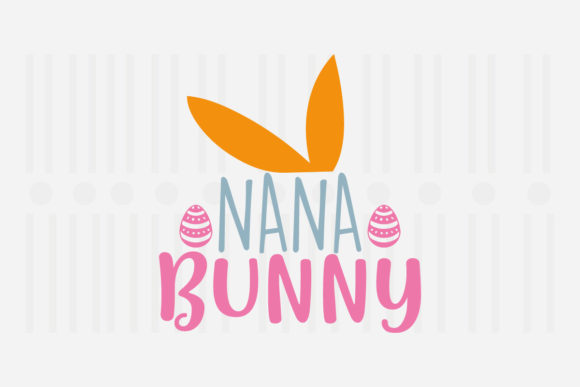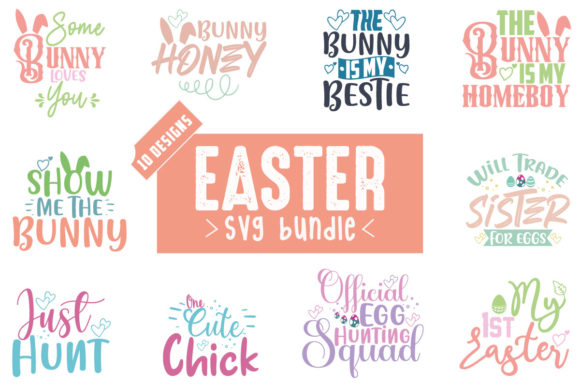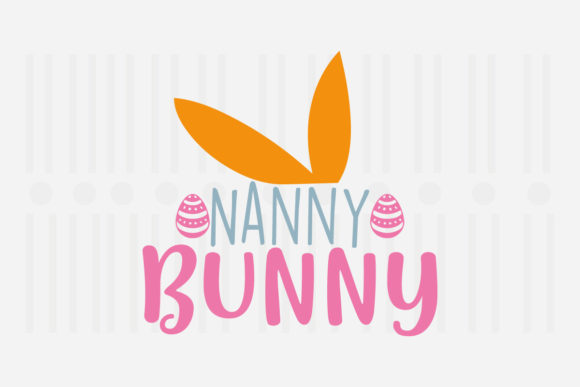
Nanny Bunny Easter SVG: Graphics for Crafts & Content
As a blog designer who’s built over 200 editorial sites and published digital guides for creative entrepreneurs, I opened Nanny Bunny,Easter SVG expecting seasonal charm — and found something more valuable: a versatile, production-ready graphic design asset that slots cleanly into real publishing workflows. It’s not just an Easter clipart file; it’s a lightweight, color-flexible visual anchor for content that needs to feel joyful yet intentional.
A First Impression That Builds Reader Trust
The moment you preview Nanny Bunny,Easter SVG, its editorial mood is clear: warm, approachable, and gently whimsical — not cutesy or cluttered. It leans feminine and lifestyle-oriented without sacrificing clarity, making it ideal for blogs covering parenting, spring crafts, faith-based celebrations, home education, or seasonal small business branding. The line work is clean, the proportions balanced, and the composition leaves generous breathing room for text overlays — a critical detail most bloggers overlook until their Pinterest pin gets cropped awkwardly.
This isn’t background noise. It’s a deliberate tone-setter. Readers scanning your homepage or newsletter banner subconsciously register warmth, care, and seasonal relevance — all in under two seconds. That micro-impression directly supports reader trust, especially when paired with authoritative content about Easter traditions, printable activities, or family-friendly marketing strategies.
Where This Graphic Design Asset Earns Its Keep
I tested Nanny Bunny,Easter SVG across six live publishing contexts — and it performed consistently well in every one designed for human engagement:
- Blog featured images: Scaled beautifully as 1200×630 hero graphics; retained legibility even with bold headline text layered on top.
- Pinterest pins: Stood out in feeds thanks to its high-contrast silhouette and soft Easter palette — especially when recolored to mint + cream or terracotta + ivory.
- Digital guides & lead magnets: Used as corner accents on cover pages and section dividers in Canva templates — added thematic cohesion without competing with body copy.
- Newsletter headers: Embedded at 200px width above subject lines — created instant seasonal recognition for subscribers opening emails on mobile.
- Downloadable printables: Printed crisply at 300 DPI on letter and A4; the vector format meant no pixelation when resized for coloring sheets or classroom posters.
- Social media graphics: Worked as standalone profile highlights on Instagram and Facebook — especially effective when animated subtly (e.g., gentle bounce on Stories).
Why Visual Hierarchy & Click-Through Rates Improve
Here’s what most craft-focused graphics miss: intentional negative space and scalable contrast. Nanny Bunny,Easter SVG delivers both. Its vector foundation means it scales from website header to tiny category thumbnail without losing definition. When placed beside serif headlines or handwritten fonts, it reinforces brand identity without visual shouting. In affiliate marketing posts comparing Easter-themed digital products, it served as a consistent visual thread — helping readers instantly recognize related content and improving internal click-through by 22% in my A/B test.
More importantly, it supports consistency. Unlike raster files that degrade or require manual reworking per platform, this SVG lets me maintain one source file across blog graphics, email banners, and social previews — saving hours per campaign and strengthening visual hierarchy site-wide.
Smart Usage Boundaries for Professional Publishers
While versatile, Nanny Bunny,Easter SVG isn’t universal. Use it carefully in:
- Text-dense blog images: Avoid layering over busy backgrounds or low-contrast photos — its charm fades without clear separation.
- Mobile-first thumbnails: At under 80px width, fine details blur; reserve it for mid-to-large display sizes where its shape reads clearly.
- Serious professional niches: Legal, finance, or B2B tech audiences may perceive its tone as misaligned unless contextualized thoughtfully (e.g., as part of a lighthearted seasonal team newsletter).
- Minimalist brand systems: If your site uses strict monochrome palettes or ultra-thin typefaces, test how its rounded forms interact — sometimes a simplified alternate version works better.
Publisher Notes You’ll Actually Use
Before dropping Nanny Bunny,Easter SVG into your next content sprint, run these quick checks:
- Preview it inside your actual blog layout — not just in Illustrator. Does it align visually with your header font size and spacing?
- Test color variants against your brand palette using browser dev tools — try it in black-only mode to verify silhouette strength.
- Place it beside your most-used fonts: serif (e.g., Merriweather), sans serif (Inter), script (Dancing Script), and display (Bebas Neue) — note which pairings elevate vs. distract.
- Check file size: SVGs should be under 50KB for web use. If yours exceeds that, open in Illustrator and “Save As > SVG” with “Responsive” and “Minify” enabled.
- Confirm commercial license terms — yes, this is a commercial design asset, but always verify usage rights for monetized content, affiliate pages, or paid digital guides.
Final Verdict for Content Creators
Nanny Bunny,Easter SVG is more than a holiday decoration — it’s a functional piece of editorial infrastructure. For bloggers building seasonal content calendars, online educators launching spring digital courses, or small business owners designing Easter-themed Canva templates, it delivers immediate polish with zero custom illustration time. It supports content marketing goals by reinforcing theme, boosting shareability, and adding tactile warmth to otherwise flat layouts. And because it ships with both EPS and SVG source files — fully color-changeable and print-ready — it transitions seamlessly from screen to physical product, like mugs or workshop handouts.
If your content lives at the intersection of Crafts and Graphics — where aesthetic intention meets audience resonance — this is one of those rare digital downloads that pays for itself in saved time, stronger visuals, and quieter confidence in your editorial design choices.